
During our visit to Caminito del Rey (Málaga, Spain), students took part in an engaging ethnobotany activity, discovering the close relationship that has existed for centuries between people and the plants in their natural environment.
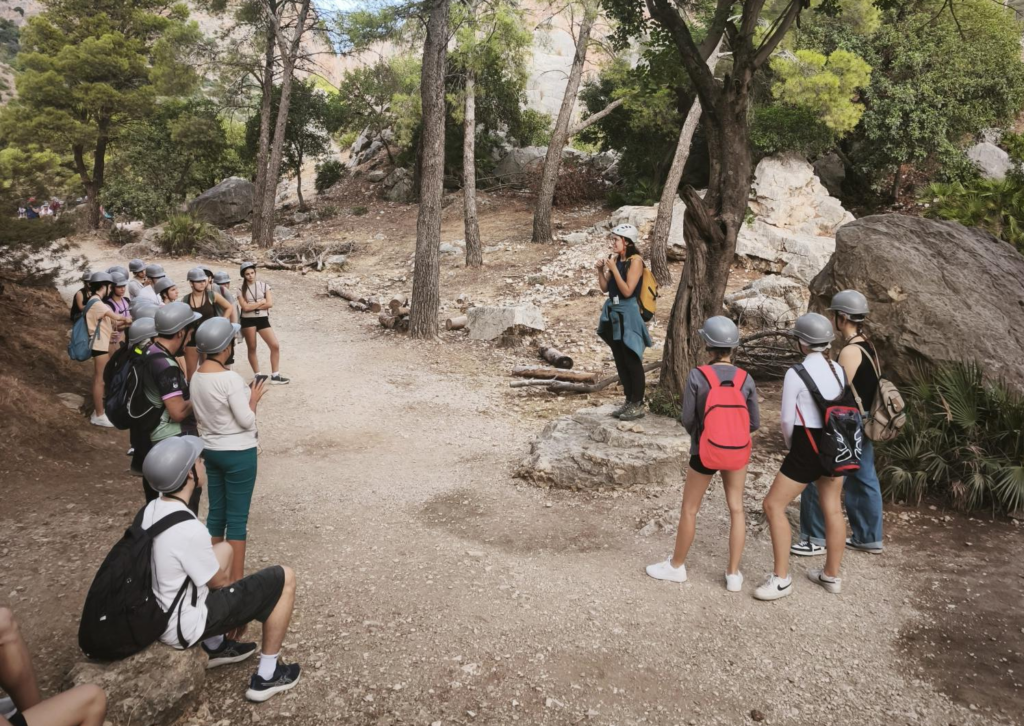
Throughout the route, students learned about different native plant species and their traditional uses in everyday life. Among them were the dwarf fan palm (palmito), whose leaves were used to make baskets, brooms, and other handcrafted objects; the carob tree, whose fruits provided food for both people and animals; and the Enebro tree, whose strong wood was traditionally used to make tools, furniture, and durable structures.
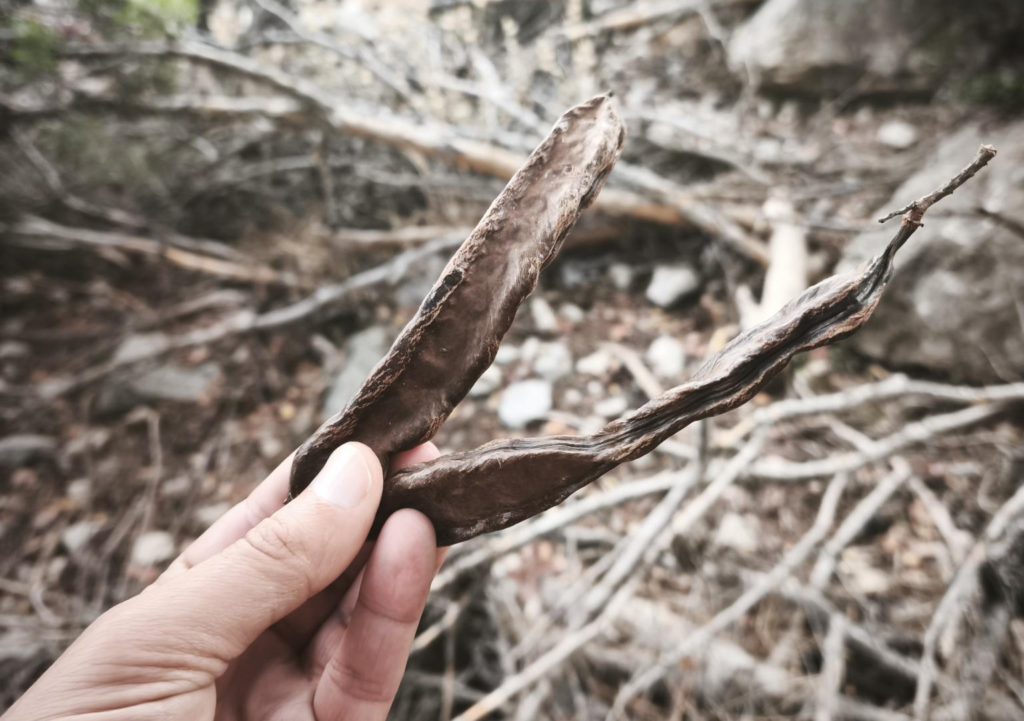
The activity helped students understand how previous generations made use of natural resources to meet their daily needs, developing knowledge and techniques that were passed down from generation to generation and, in some cases, are still preserved today.
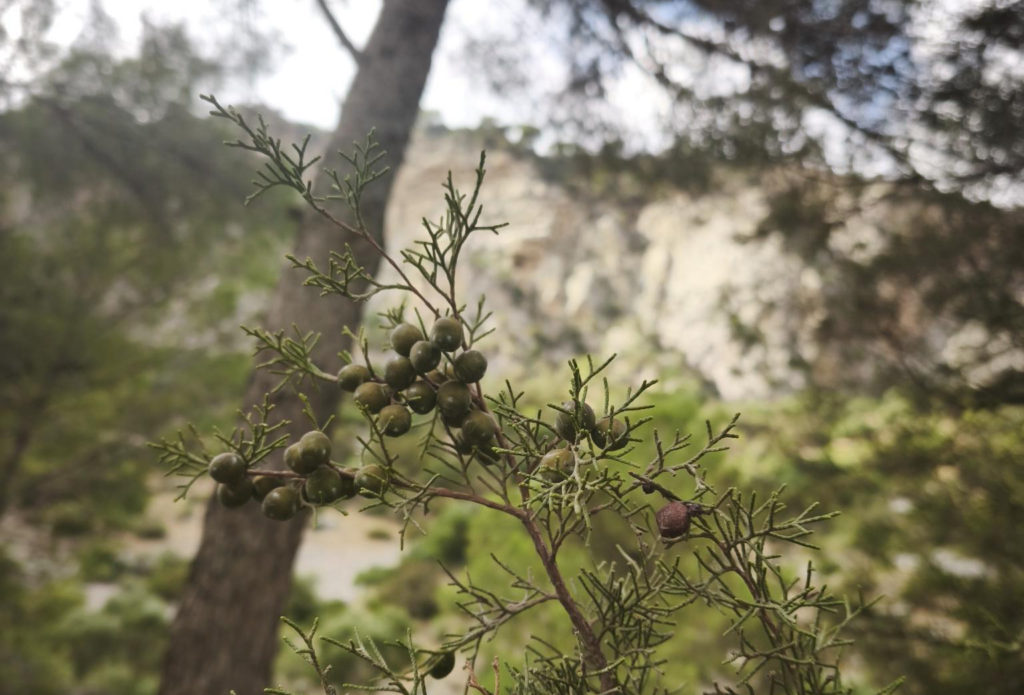
In addition to discovering this valuable ethnobotanical heritage, students reflected on the importance of protecting biodiversity, preserving traditional knowledge, and promoting the sustainable use of natural resources.
This educational experience combined nature, history, culture, and environmental awareness, demonstrating that understanding our past can also help us build a more sustainable future.
We would like to express our sincere gratitude to Elena, our wonderful guide and interpreter, for sharing her knowledge, enthusiasm, and passion for nature and local traditions. Her engaging explanations helped our students discover the fascinating world of ethnobotany and better understand the importance of preserving our natural and cultural heritage.
Thank you, Elena, for making this experience so educational, enjoyable, and memorable!